
Klantportaal
Road & Rail tracks, shunting terrains and other vital parts of infrastructure are subject to intrusions and vandalism. Due to their large surface areas, long perimeters and open access points it’s a challenge to protect them. This makes rail and road infrastructure vulnerable for graffiti vandalism. In the Netherlands the damage of cleaning alone is already € 13 million per year, in the whole of Europe it’s a multiple of that amount.
Typical shunting terrains are located in city centres. Their characteristics impose specific security challenges:
Entrance and exit locations offer relatively open access points
Bridges for crossing road infrastructure create entrance corners
Buildings and track bends cause limited visibility
Multiple locations for train parking obstruct the view for security guards
Active tracks limit the mobility of security guards in the event of an incident
Long fenced perimeters with gates and fire exits enable unauthorized access
Due to these terrain characteristics and their size (3-5 km perimeter) it’s not possible to secure the terrain 100% with existing sensory or guard patrolling measures.
At the same time there is a major shortage of professional trustworthy security guards. The classic approach of deploying more dog handlers is therefore no longer possible.
An effective approach of graffiti vandalism requires early detection of intrusions and fast verification of events. The use of sensory, robotic and AI tech solutions proves indispensable for reaching these goals. LUGN’s Smart Security Layers are developed and tested at various shunting terrains across the Netherlands. For security reasons, the exact locations and protective measures of the shunting terrains that are currently under protection cannot be given.
For research and demonstration purposes the Rail Field Lab in Amersfoort, from ProRail, Dutch Ministry of Infra, the NS and global telecom provider KPN, is an anonymized example case. The effectiveness of this case has been widely reported in the Dutch News and will be continuously monitored for further development.
Road & Rail tracks, shunting terrains and other vital parts of infrastructure are subject to intrusions and vandalism. Due to their large surface areas, long perimeters and open access points it’s a challenge to protect them. This makes rail and road infrastructure vulnerable for graffiti vandalism. In the Netherlands the damage of cleaning alone is already € 13 million per year, in the whole of Europe it’s a multiple of that amount.
Typical shunting terrains are located in city centres. Their characteristics impose specific security challenges:
Entrance and exit locations offer relatively open access points
Bridges for crossing road infrastructure create entrance corners
Buildings and track bends cause limited visibility
Multiple locations for train parking obstruct the view for security guards
Active tracks limit the mobility of security guards in the event of an incident
Long fenced perimeters with gates and fire exits enable unauthorized access
Due to these terrain characteristics and their size (3-5 km perimeter) it’s not possible to secure the terrain 100% with existing sensory or guard patrolling measures.
At the same time there is a major shortage of professional trustworthy security guards. The classic approach of deploying more dog handlers is therefore no longer possible.
An effective approach of graffiti vandalism requires early detection of intrusions and fast verification of events. The use of sensory, robotic and AI tech solutions proves indispensable for reaching these goals. LUGN’s Smart Security Layers are developed and tested at various shunting terrains across the Netherlands. For security reasons, the exact locations and protective measures of the shunting terrains that are currently under protection cannot be given.
For research and demonstration purposes the Rail Field Lab in Amersfoort, from ProRail, Dutch Ministry of Infra, the NS and global telecom provider KPN, is an anonymized example case. The effectiveness of this case has been widely reported in the Dutch News and will be continuously monitored for further development.
The terrain characteristics for the security manager to take care of are:
3 Main entrances and exits with open access points
6 Bridges for crossing road infrastructure, enabling entrance corners
Over 30 high buildings and 3 track bends, causing limited visibility
5 Locations with more than 125 trains parked overnight
10 Active tracks limiting the mobility of security guards in the event of incidents
5 Km of fenced perimeter with 35 gates and fire exits, enabling unauthorized access.
NOTE: Being a demonstration shunting terrain, the other additional security measures being tested and evaluated, not being typical, are not mentioned.
The annual graffiti damage amounts to € 370.000, caused by on average 50 incidents of 35 m2 of graffiti tags per train.
Adding Smart Security Layers
With the additional Smart Security Layers the shunting terrain is protected by a Layered Unified Guard Network (LUGN) to:
Disturb and catch graffiti vandals
(security campaign effect, in weeks/months)
Discourage and push away graffiti vandals
(security long term effect, in years)
Optimize existing security measures
(security insights effect, result of continuous analysis of alterations in the modus operandi of graffiti vandals).
The Smart Security Layers used are:
The Sensor Layer
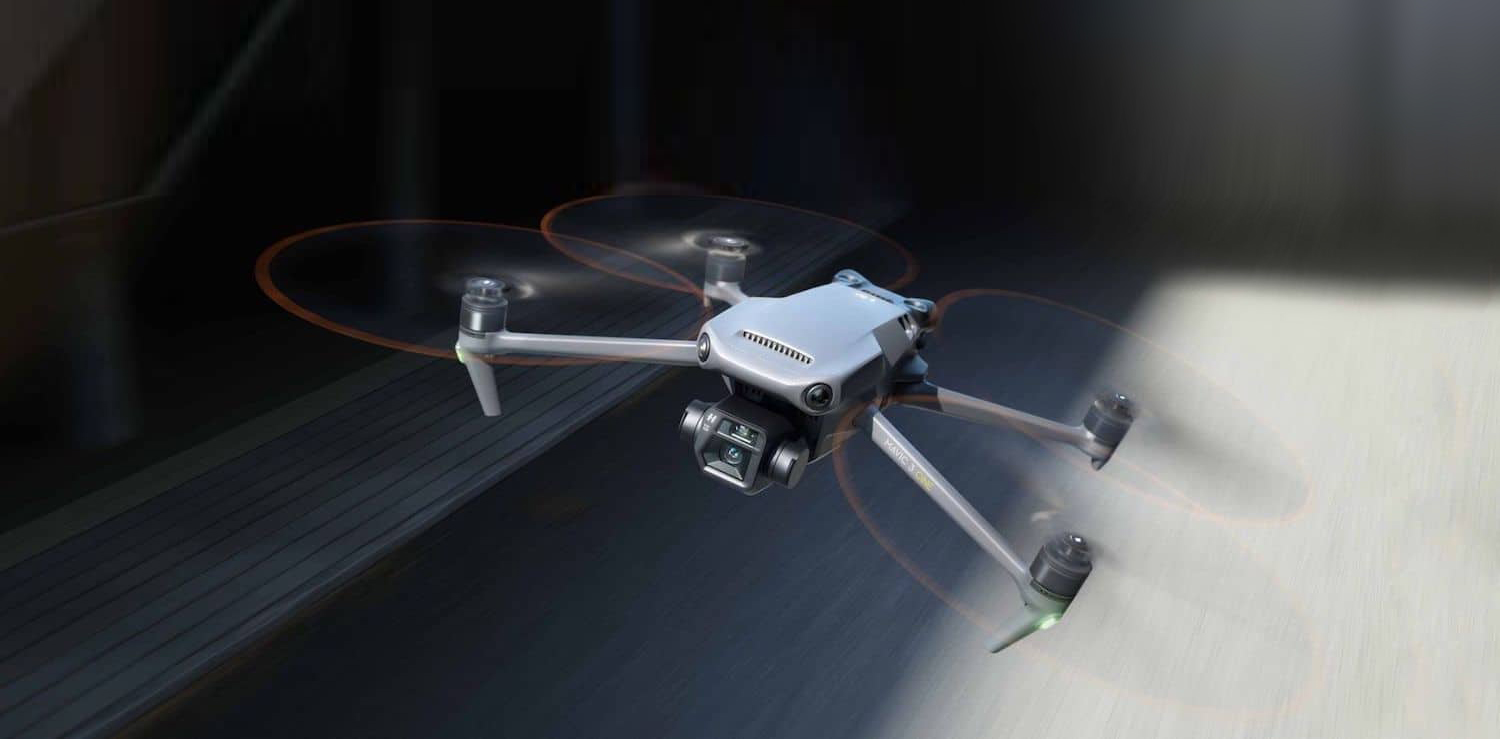
The Drone Layer
The Control Layer
They are used in an integrated way, where the reconfigurable Sensor Layer enables the Drone Layer to perform a predefined autonomous drone flight. The drone camera autonomously verifies the incident. The sensory trigger, drone flight, live streams and images are controlled and monitored by the Control Layer using AI.
The Sensor Layer consists of 15 mobile reconfigurable battery powered IoT sensors of 4 different types: Gate, Camera, PIR, Pressure mat. The sensors are clamp bolted to the electricity poles requiring no additional installation.
Ook interessant: